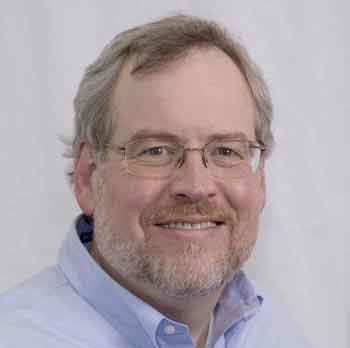
Professor of Genetics, Harvard Medical School
Chief Academic Officer, Massachusetts General Hospital
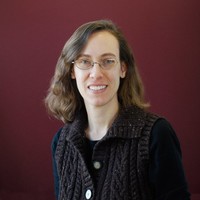
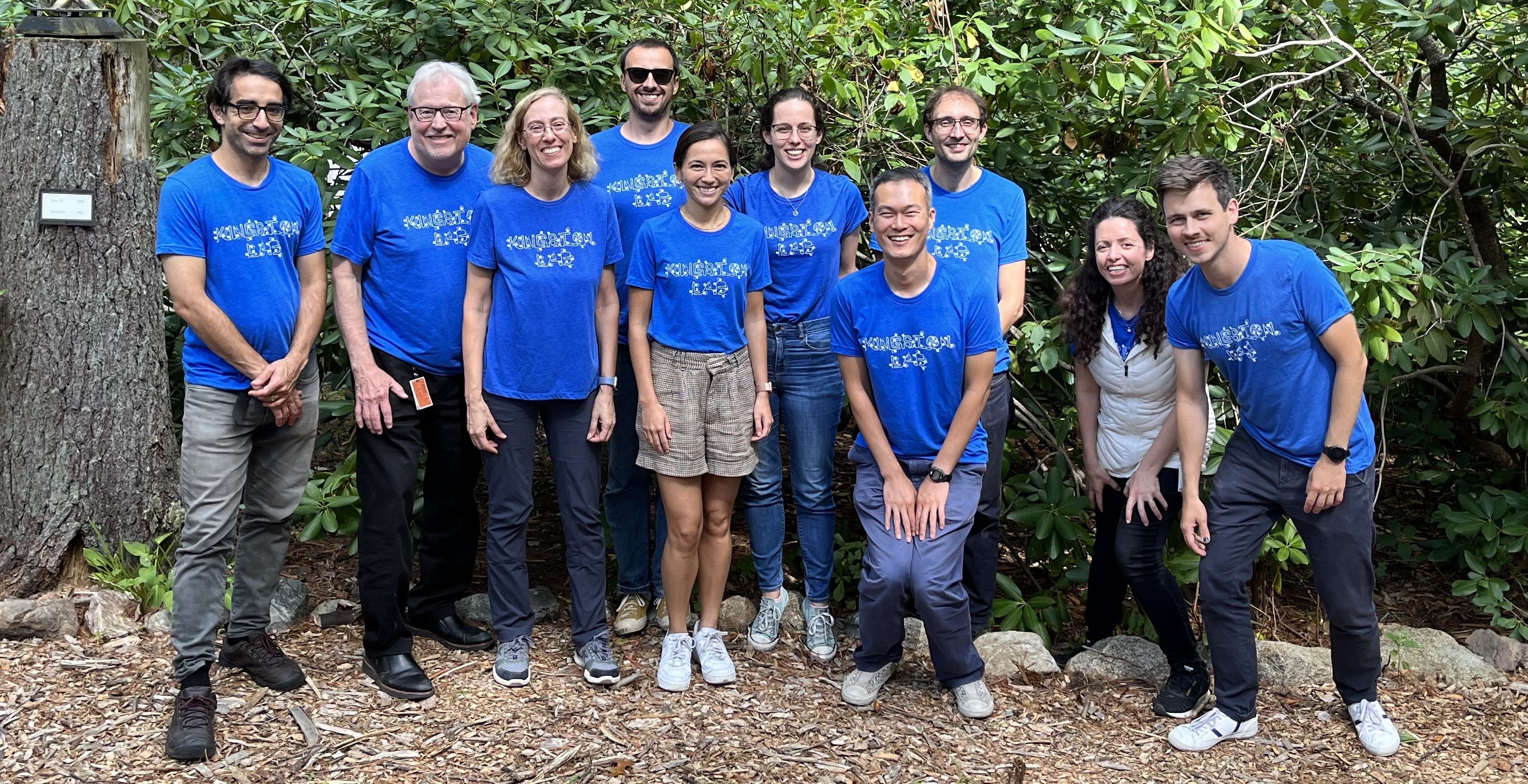
Sharon received her B.S. in Microbiology from the University of Oklahoma and a PhD in Biochemistry, Molecular and Cell Biology from Cornell University. She worked as a lab manager at the University of California at Berkeley and then at Brandeis University before joining the Kingston lab. In her free time when she is not purifying SWI/SNF, she is interested in the biochemical analysis of PRC1 domains required for nucleosome compaction in vitro.
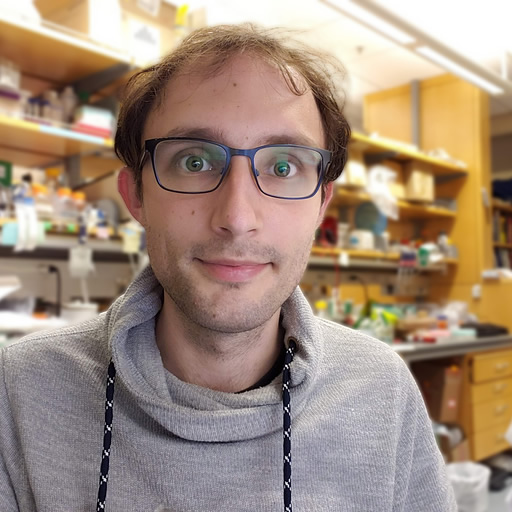
Stefan received his B.S. in Physics from TU Munich. After obtaining his Ph.D. in Biophysics from UCSF, he joined the Kingston lab in January 2021 to study the dynamics of polycomb-mediated chromatin compaction. He is interested in determining how chromatin accessibility is achieved by the competition between activating and repressive complexes.
Dunia grew up in Wayland, MA, received her MD in the Harvard/MIT HST program and completed her residency in Otolaryngology and fellowship in Neurotology/lateral skull base surgery at MEE/Harvard program. In Dr. Albert Edge’s lab (MEE) she studied inner ear hair cell biology using organoid models. In Dr. Kingston’s lab, she studies transcription factor and epigenetic regulators of inner ear hair cell regeneration, while also serving as an attending physician at MEE/MGH.
Shreyasi received her B.S. in Genetics from Bangalore University, India, and her M.S. in Neuroscience from the University of Edinburgh, UK. Afer completing her Ph.D. in Developmental Biology from the University of Cincinnati, she joined the Kingston Lab to study how polycomb complexes dictate cell fate decisions during early germ layer segregation.
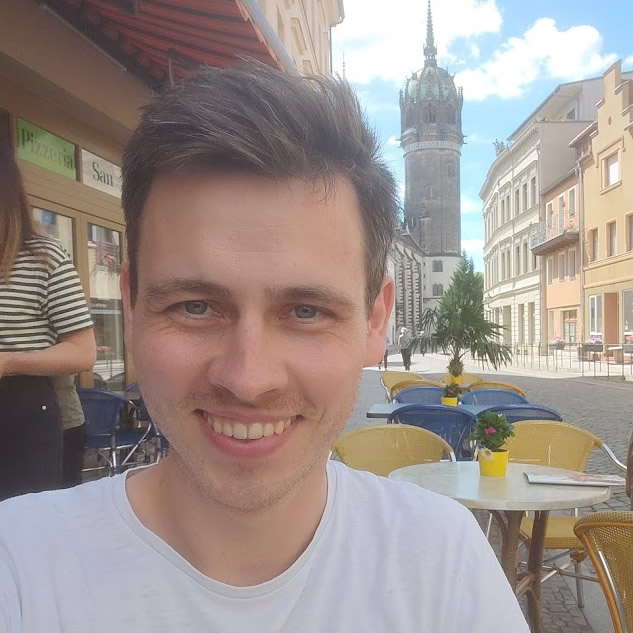
Philipp earned his M.S. from TU Munich and his Ph.D. in Computational Biology from the Max Planck Institute for Dynamics of Complex Technical Systems, with research visits in Canada and France. He joined the Kingston Lab in July 2022 and uses NGS workflows to investigate chromatin regulation and organization. His work focuses on the roles of Polycomb, cohesin, and SWI/SNF complexes in these processes.